
Market History
The Beginning
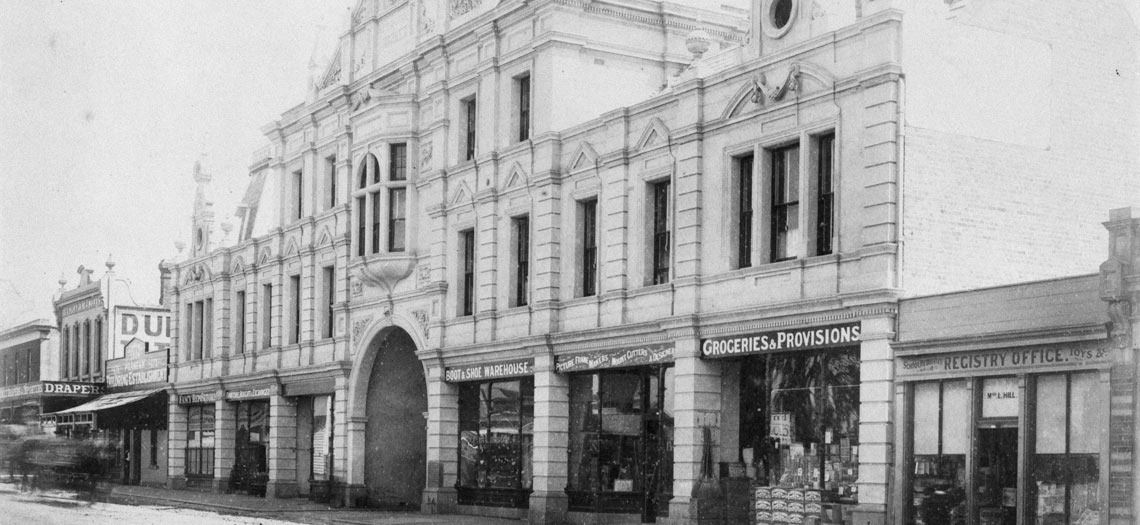
Although land was sold in Prahran from 1840, it wasn’t until the gold rush of the 1850s that the community began to thrive, leading to the election of its first Council. Known for its small farms and market gardens, locals sold or bartered goods nearby or carted them into Melbourne. What was missing was a central marketplace—so in 1864, Prahran Council established one. This became Melbourne’s oldest Market, with the larger, purpose-built Prahran Market opening in 1891 on Commercial Road, where it still stands today.
The 1920s–30s
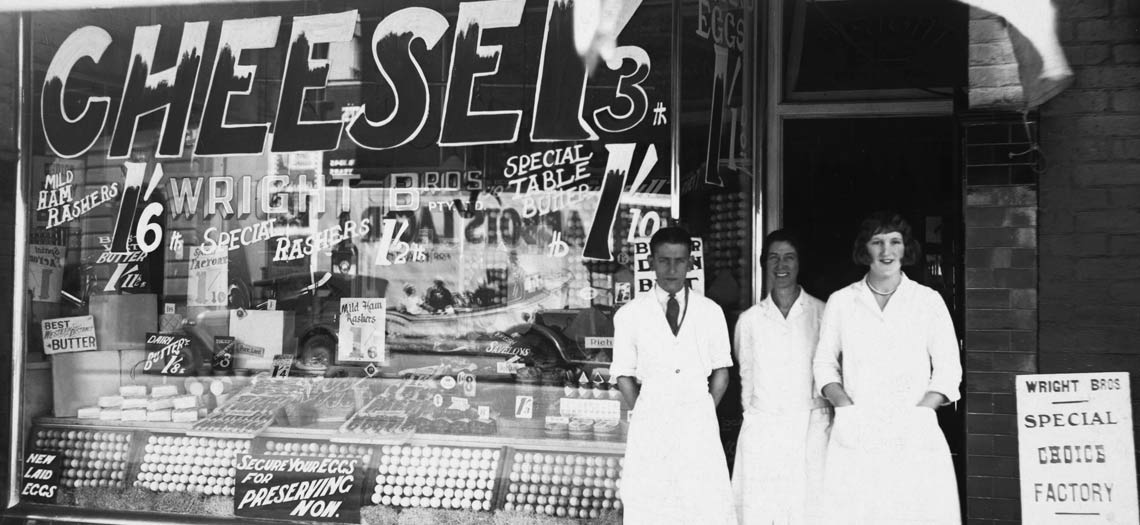
In 1923, the Market underwent a major extension, adding 48 stalls at a cost of £80,000. Even the Great Depression couldn’t slow it down—it became a key distribution point for groceries, clothing and boots for the unemployed. A new meat hall opened in 1928 with gleaming white tiled walls, making stalls easier to clean. At this time, delicatessens were virtually unknown in Australia, so dairy was usually purchased from small grocers instead.
The 1940s–50s
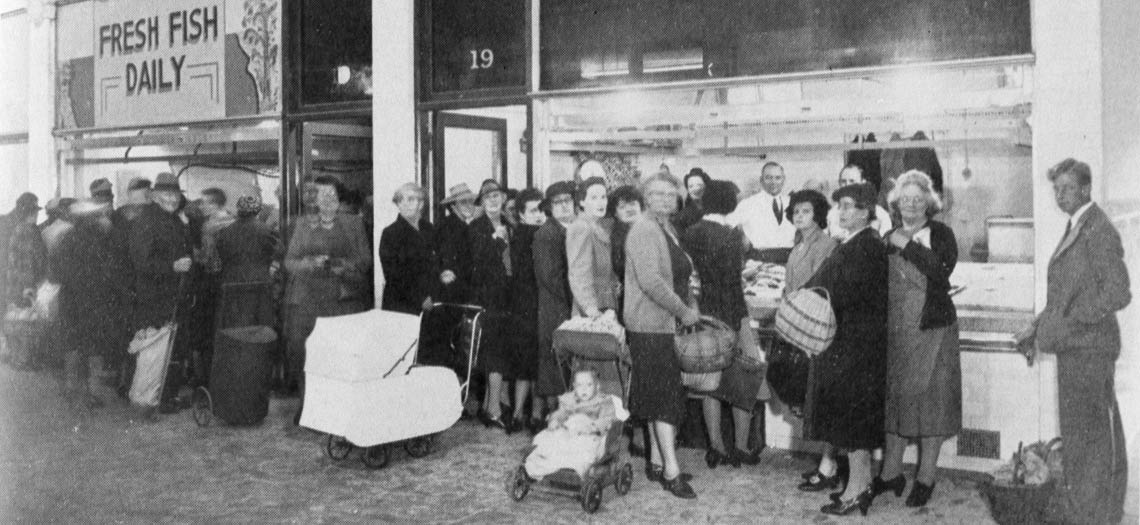
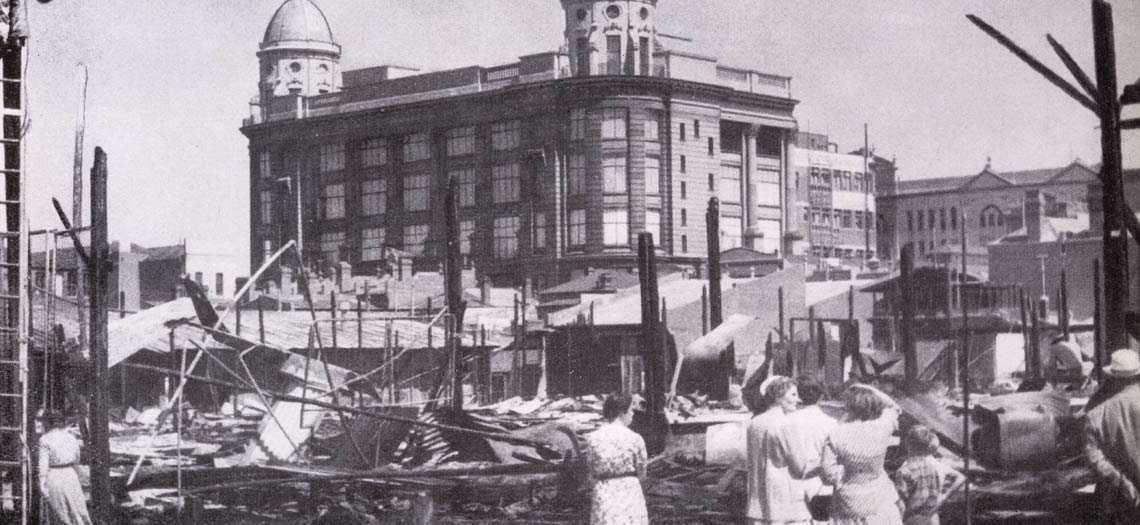
During World War II, shoppers arrived by tram or train, ration cards in hand. With many men away at war, women and children kept the Market alive—while farmers often delivered produce directly to help them out. In 1950, disaster struck: a Boxing Day fire gutted the fruit and vegetable section. A temporary structure went up soon after, but full redevelopment wasn’t completed until 1976, when a modern new Market complex opened at a cost of $6.5 million.
The 1960s–70s
The ’60s reflected Prahran’s growing migrant population, with customers seeking produce from their homelands. Traders responded—Claringbold’s added sardines, calamari, bream and whitebait, while Pino’s Fine Produce introduced spinach, eggplant and zucchini. Greek Easter brought surging flower sales, with up to 600 bunches of chrysanthemums ordered in. In the ’70s, the Market was again renovated to modernise while preserving its character. A new meat, fish and poultry hall was added, plus a variety arcade with eclectic shops, from cookware to underwear. Land was also purchased behind the Market to expand customer parking.
The 1980s–90s
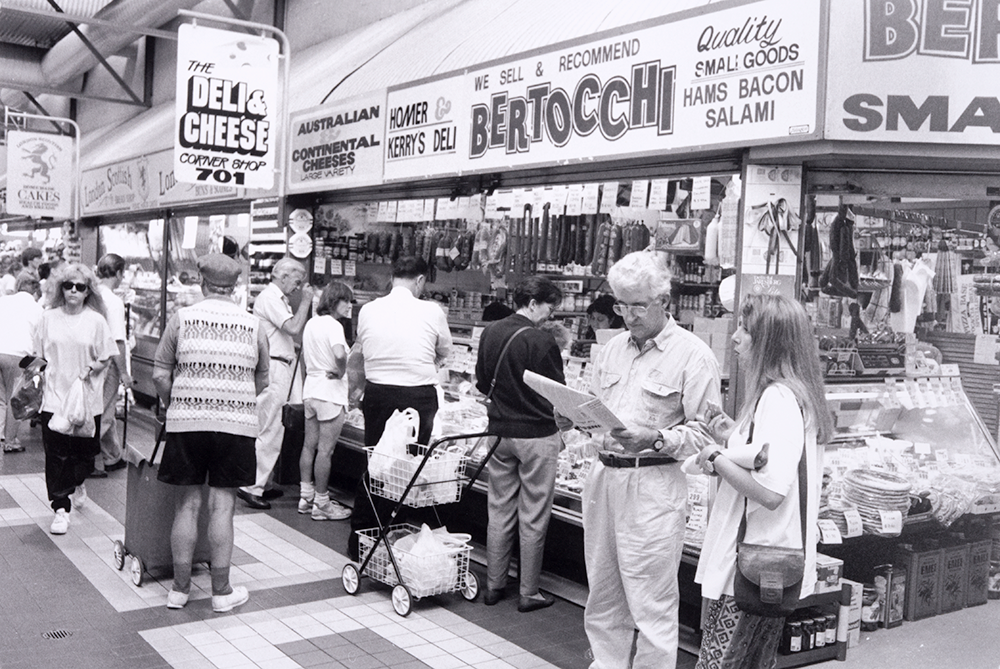
By the mid-’80s, Melbourne’s food scene was changing. Fusion cuisine arrived, and Prahran Market traders began specialising, cementing its reputation as a pioneer in gourmet food. Chefs from across the city visited for hard-to-find ingredients. Despite the early ’90s recession, the Market stayed lively. In 1994, an independent board took over management, ensuring independence from Council politics. A new multi-level carpark was built, and the old liquor arcade was transformed into a bustling Gourmet Food Hall. By decade’s end, Prahran Market was firmly established as Melbourne’s culinary heart.
The 2000s
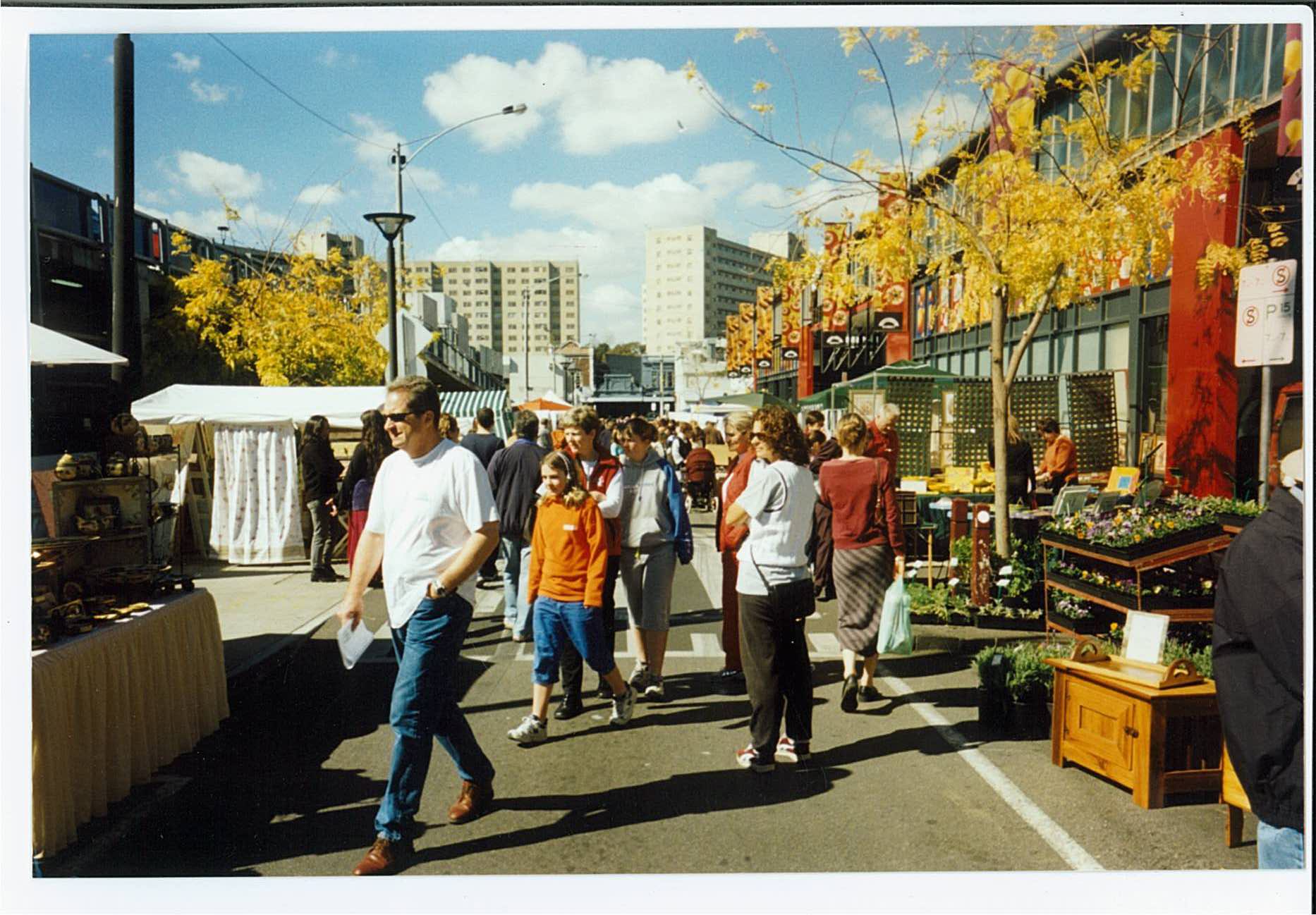
With the new millennium, Prahran Market was known city-wide as a “foodie hub” for chefs, food writers, restaurateurs and loyal shoppers. Gourmet stalls multiplied, each offering something unique. In 2000, the Market farewelled beloved trader Bill Bracher, who had worked there for over fifty years. In his honour, the meat hall was renamed the Bracher Arcade—a tribute that still stands today.
Today
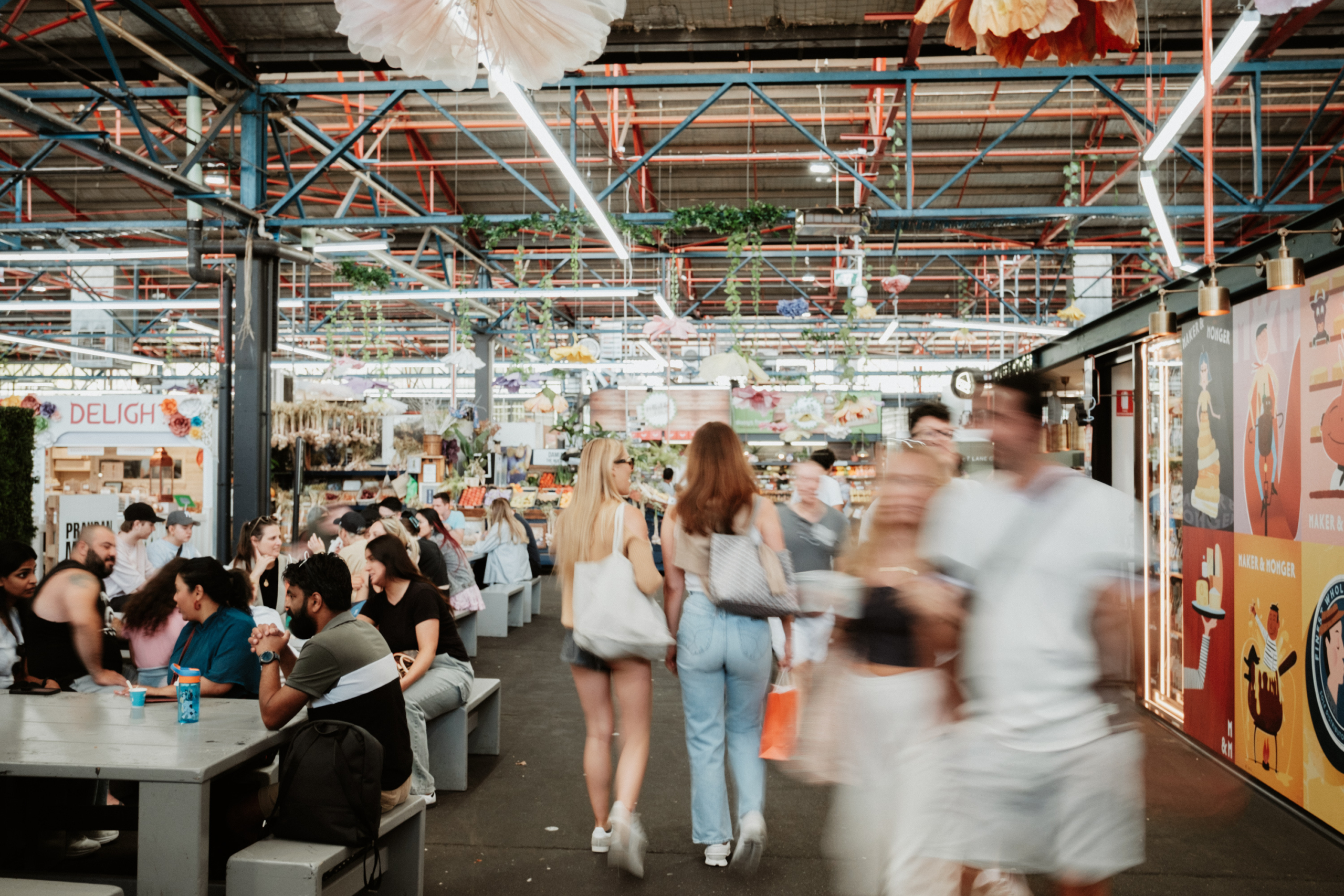
Prahran Market continues to be Melbourne’s premier food market, blending history with innovation. It’s a Market for locals, and regularly hosts regular food events and activations. With skilled traders, specialty stores, and lively spaces where visitors can eat, drink and soak up the atmosphere, the Market remains a place of discovery, connection and true sensory experience.